PROJECTPersonal Project
Smart Water Dispenser (Auto Water Dispenser)
A load-sensing water dispenser combining embedded systems and control techniques to deliver precise volumes of water on demand.
- Status
- COMPLETED
- Date
- June 2024
- Author
- Saad AL Mubaireek
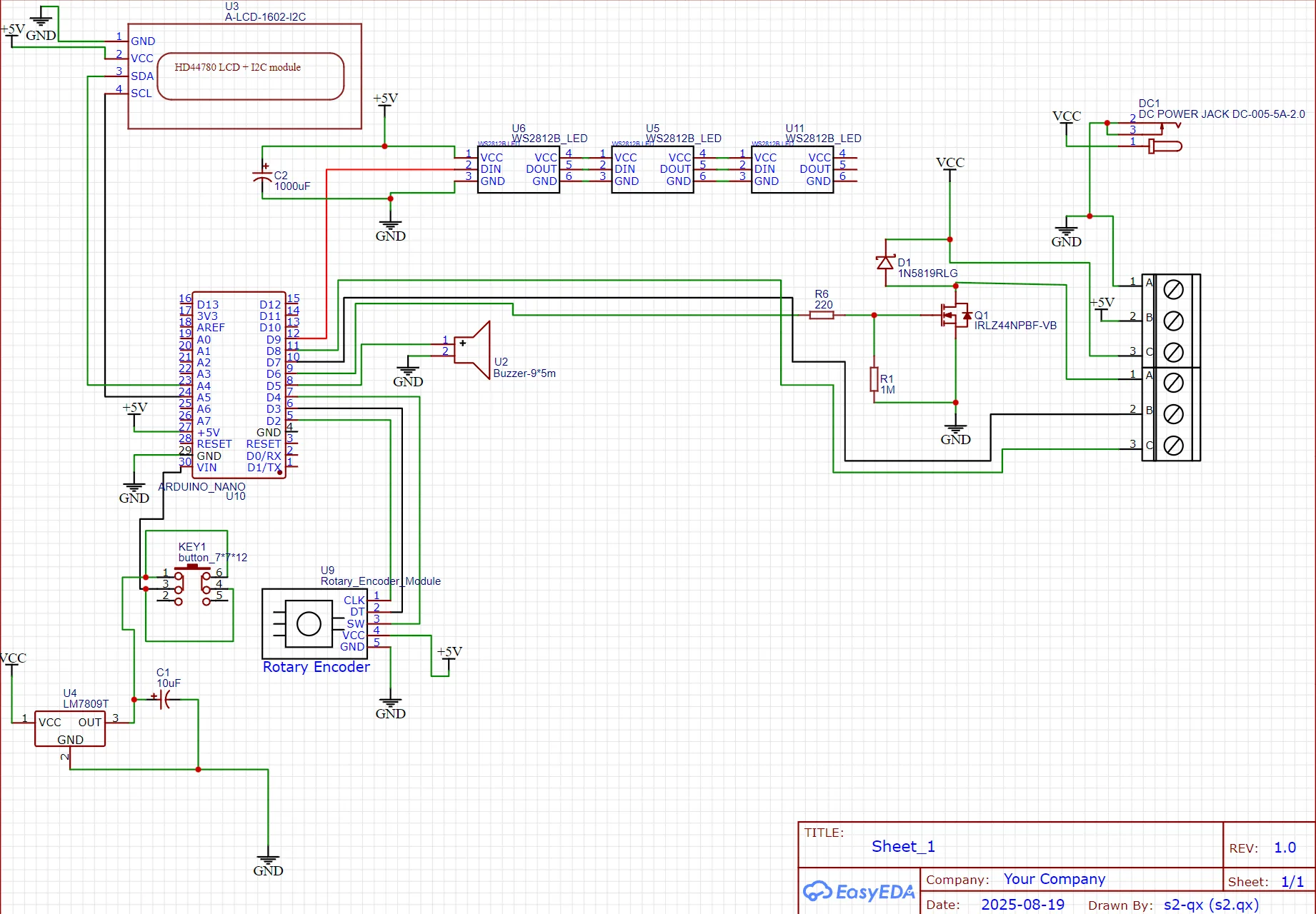
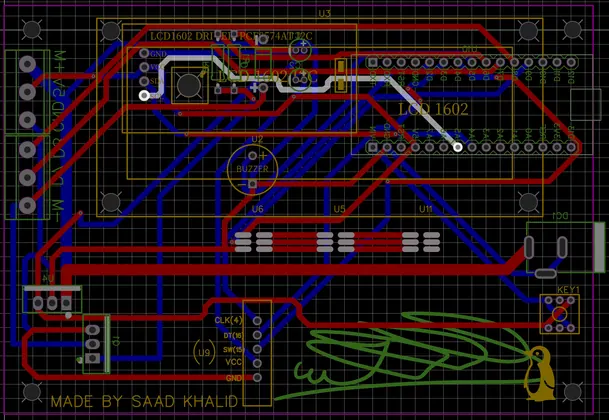
In my free time, I developed a personal project: a smart water dispenser that combines embedded systems, load sensing, and control techniques to deliver precise volumes of water.
Key Features
- Low steady-state error (~1 ml deviation) for setpoints above 200 ml.
- Smooth transient response — pump control minimizes overshoot and abrupt stopping.
- Adjustable hose angle (Z-axis) to fit different container sizes and avoid water splitting.
- Ergonomic design — 30° angled interface board for easier LCD screen readability.
- Clean setup — pump and water source hidden under an IKEA table for a neat look.
Test Result
A 250 ml setpoint produced 251 ml actual output, showing consistent accuracy at higher volumes. For smaller volumes (<200 ml), pump inertia and sensor noise introduce higher deviations — a good reminder of the limits of low-cost actuators and sensors.
Why I Built It
This project reflects my interest in applying control theory and embedded systems to solve real-world problems, even outside of coursework. It also gave me valuable hands-on experience with hardware integration, interface design, and system tuning.
DISCUSS First-party comments
Responses
No approved comments yet. Start the conversation.